Designed for real intent
Most people use a face shape detector because they want hairstyle, glasses, beard, or makeup guidance. This page is built around that practical use case.
Upload one clear portrait and use our AI face shape detector to find your face shape online. Get a primary match, a secondary tendency, and the facial features behind the result in seconds.


Drag and drop, click to browse, or paste a screenshot
Use a straight-on photo with even lighting, hair pulled back, and no beauty filter for the best face shape result.
Most people use a face shape detector because they want hairstyle, glasses, beard, or makeup guidance. This page is built around that practical use case.
Some people sit between two face shapes. That is why the tool highlights the closest secondary match instead of forcing an overly rigid answer.
The page is designed for people searching what face shape do I have, how to determine face shape, and how to know your face shape without doing manual measurements first.
The face shape detector first isolates your face contour, hairline area, cheekbone span, jawline width, and chin shape from a single front-facing image.
Next, the system compares broad signals that matter most for face shape analysis: face length versus width, which area is widest, whether the jaw is soft or angular, and how tapered the chin appears.
Instead of showing a random label, the tool returns a primary match, a secondary tendency, and short feature notes so you can understand why your face shape result looks the way it does.
These six categories cover the face shape types most commonly used in style guides, haircut recommendations, and glasses matching tools.
An oval face shape is usually longer than it is wide, with a softly curved jaw and balanced forehead-to-cheekbone proportions.
A round face shape tends to have similar width and length, full cheeks, and a softer jawline without strong corners.
A square face shape usually shows a broad forehead, wide jaw, and more angular lower-face structure.
A heart face shape is often wider at the forehead and cheek area, then narrows toward a smaller jaw and chin.
A diamond face shape tends to look widest at the cheekbones, with a narrower forehead and a narrower jawline.
An oblong face shape is noticeably longer than it is wide and often keeps a straighter silhouette from forehead to jaw.
A useful face shape detector should do more than guess a label. This page is built to show your primary face shape, the closest secondary category, and the visible features behind the decision. That helps when your face sits between oval and heart, or between square and oblong, which is common in real portraits. The goal is to make the result interpretable, not just instant.
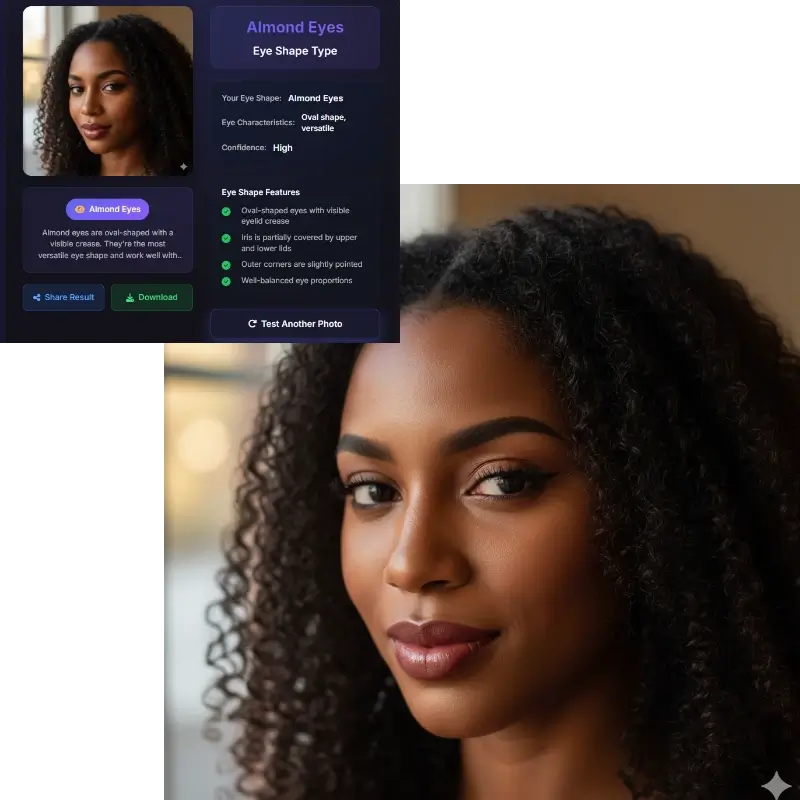
Most users search what is my face shape because they want to make style decisions with less guesswork. Once you know whether your features lean round, diamond, square, or oval, it becomes easier to narrow flattering haircut volume, glasses proportions, contour placement, beard shape, and even earring balance. That is why this page emphasizes practical interpretation instead of abstract labels alone.

Even a strong face shape detector can only read the photo it is given. Angled selfies, lens distortion, smiling, heavy contour makeup, or hair covering the temples can all shift how wide the forehead, cheeks, or jaw appear. That is why the page includes photo tips and a confidence field. It helps you judge whether a result reflects your natural face shape or a temporary camera effect.
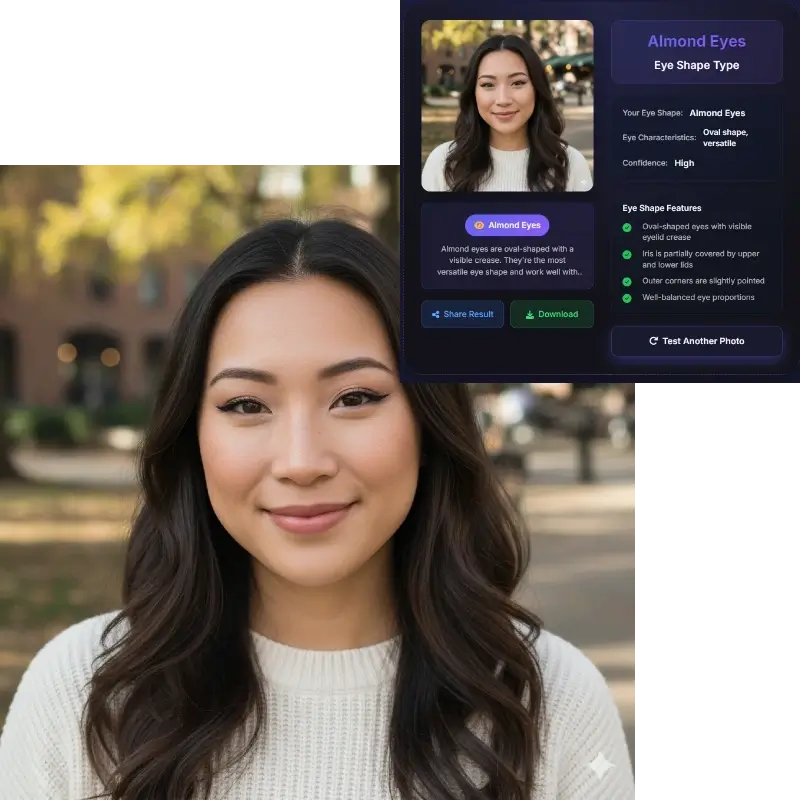
If you are using a face shape detector online, these small setup choices usually improve the match much more than retesting random selfies.
Keep your face centered and look directly at the camera so the detector can compare width and length more accurately.
Balanced light helps the tool read your face outline and jawline without deep shadows changing the visible shape.
A clear forehead and cheek area makes it easier to tell whether your upper face is broad, narrow, or balanced.
Filters can slim the jaw, widen the eyes, or smooth the contour in ways that distort your real face shape.
These examples show the kind of clear portrait that usually works best for a face shape detector online: visible outline, even lighting, and minimal obstruction.
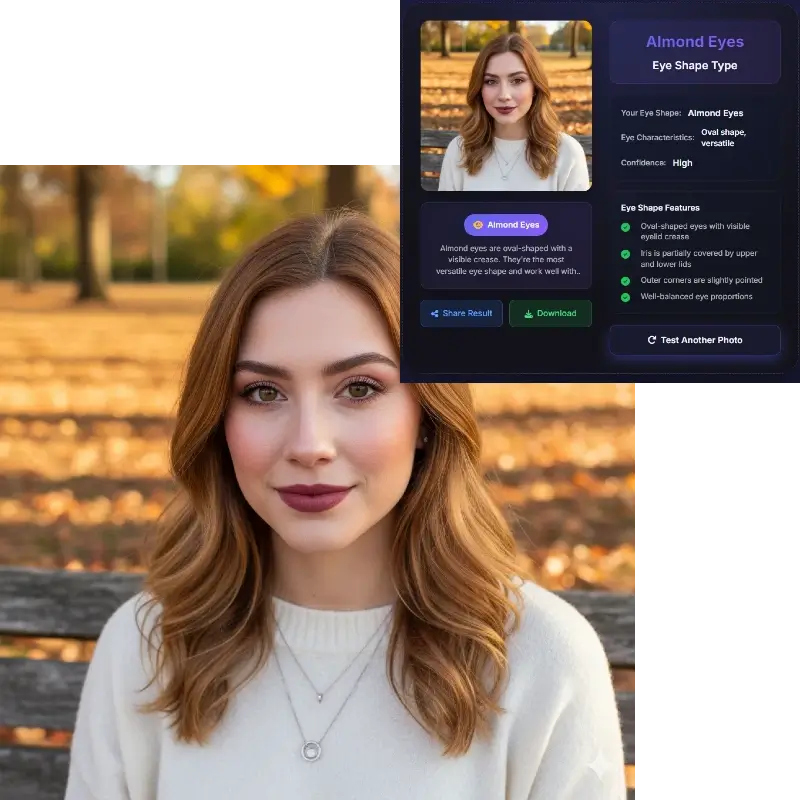


A face shape detector compares broad facial structure signals such as face length, forehead width, cheekbone width, jawline width, and chin taper. It then matches those visible proportions to the face shape pattern that fits best, such as oval, round, square, heart, diamond, or oblong.
Yes. Many people do not fit one category perfectly. You may be mostly oval with a heart tendency, or mostly square with an oblong outline. That is why this page shows a closest secondary shape instead of pretending every face fits one perfect box.
Use a clear, front-facing portrait with even lighting, a neutral expression, and hair pulled away from the sides of the face. Avoid very close wide-angle selfies, heavy beauty filters, sunglasses, or poses that hide the forehead and jawline.
Different camera angles, smiling, lens distortion, contour makeup, and hair placement can all change how wide or narrow facial areas appear. A face shape detector reads the visible photo, so cleaner images usually produce more stable results.
Yes. That is one of the main reasons people use a face shape detector. Once you know whether your features lean round, square, diamond, heart, oval, or oblong, it becomes easier to compare frame width, hairstyle volume, fringe choices, and balancing techniques.
No. The page is meant for face shape analysis, not identity recognition. The purpose is to read outline and proportion cues that help estimate your face shape category, not to verify a person’s identity.
Yes. Upload a clear front-facing photo with the full forehead, cheekbones, jawline, and chin visible. The detector analyzes the image in the browser and returns a primary and secondary face-shape match. If the result changes, retake the photo farther from the camera with even light and a neutral expression.